
Dental implants are widely regarded as the gold standard for replacing missing teeth. They are strong, durable, and capable of restoring both function and aesthetics very effectively. Because of their high success rates and long-term outcomes, implants are often perceived as the best solution in all situations. However, an important clinical question must be asked: are dental implants always the best option for every patient?
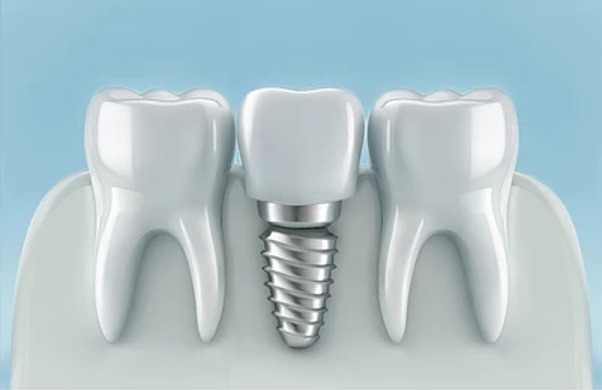
A dental implant is a titanium fixture surgically placed into the jawbone to replace the root of a missing tooth. After a healing period, during which the implant integrates with the surrounding bone, it can support a crown, bridge, or denture. One of the major advantages of implants is their ability to preserve bone and avoid preparation of adjacent teeth. When placed under proper conditions, implants can provide excellent stability, chewing efficiency, and patient satisfaction.
Despite these advantages, dental implants are not suitable for all patients. General health plays a critical role in implant success. Conditions such as uncontrolled diabetes, severe osteoporosis, immunosuppressive disorders, or a history of radiotherapy to the head and neck region may impair healing and increase the risk of implant failure. In such cases, alternative treatment options may be safer and more predictable.
Adequate bone quantity and quality are essential for implant stability. Patients who have experienced long-standing tooth loss, periodontal disease, or trauma may suffer from significant bone resorption. While bone grafting procedures can sometimes overcome this limitation, they increase treatment complexity, cost, and duration, and may not be acceptable or suitable for every patient.
Oral hygiene and patient compliance are equally important considerations. Dental implants are vulnerable to peri-implant diseases if plaque control is inadequate. Patients with poor oral hygiene, active periodontal disease, or high caries risk may face complications if these issues are not addressed before implant placement. Long-term success depends heavily on maintenance and regular follow-up care.
Financial and time factors also influence treatment decisions. Implant therapy often requires multiple visits and several months to complete, and the cost may be higher compared to other prosthetic options. For some patients, especially those seeking quicker or more economical solutions, alternative treatments may provide satisfactory outcomes with fewer demands.
In younger patients, dental implants are usually delayed until jaw growth is complete. Placing implants too early can result in functional and aesthetic problems as the surrounding bone continues to develop, leading to infra-occlusion and disharmony with adjacent teeth.
Depending on the clinical situation, other treatment options such as fixed partial dentures, removable partial dentures, or complete dentures may be more appropriate. Fixed bridges can be a good choice when adjacent teeth already require restorations. Removable partial dentures remain a valuable option in cases of multiple missing teeth and offer a conservative and cost-effective solution. Complete dentures, whether conventional or implant-supported, continue to play an important role in the management of fully edentulous patients.
The key principle in modern dentistry is individualized treatment planning. The most advanced treatment is not always the most suitable one. Proper diagnosis, evaluation of systemic and oral conditions, consideration of patient expectations, and evidence-based decision making are essential for achieving successful and sustainable outcomes.
In conclusion, dental implants are an excellent treatment option when indicated, but they are not always the best choice for every patient. The true measure of success in dentistry lies not in the procedure itself, but in how well it meets the patient’s needs, preserves oral health, and improves quality of life over the long term.
Hazha Kamil
Assistant Lecturer, Faculty of Dentistry
Qaiwan International University