Follow us :-
  • Tue-Jun-2025

The relationship between periodontal disease and systemic diseases

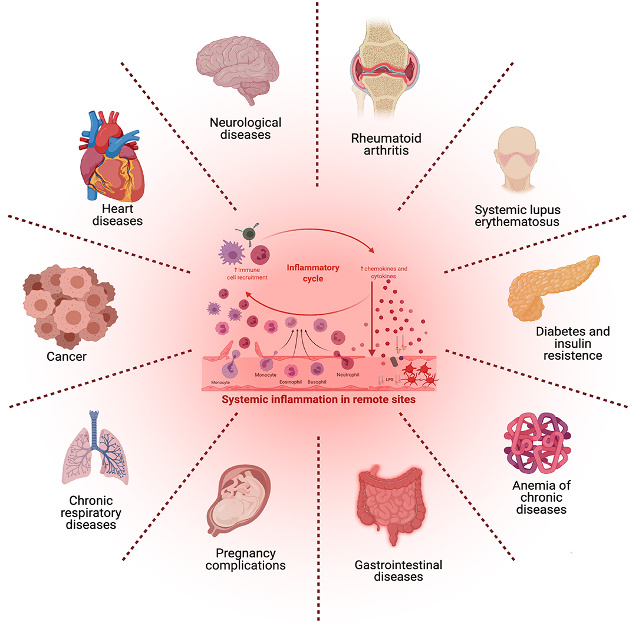
Emerging evidence suggests that periodontal inflammation may contribute to the pathogenesis and progression of various systemic conditions. Chronic periodontal infection can lead to elevated levels of inflammatory mediators, such as cytokines and acute-phase proteins, which can enter the bloodstream and influence other tissues. This systemic inflammatory response has been linked to cardiovascular diseases, including atherosclerosis and myocardial infarction, as well as diabetes mellitus, respiratory diseases like pneumonia and chronic obstructive pulmonary disease (COPD), rheumatoid arthritis, adverse pregnancy outcomes such as preterm birth and low birth weight, and even neurodegenerative conditions like Alzheimer’s disease. Conversely, systemic diseases like diabetes can impair immune function, exacerbating periodontal destruction. Understanding this bidirectional relationship underscores the importance of periodontal health in overall systemic health and highlights the need for integrated preventive and therapeutic strategies.

Various cancer types as colorectal, oral, pancreatic, lung, and gastrointestinal cancers have consistent associations with periodontal disease. On the other hand, hematological, breast and prostate cancers show associations with periodontal disease, but these links are less pronounced.

Further, periodontitis was associated with an increased risk of erectile dysfunction  ED, and female infertility. In a brief, Periodontitis is linked to systemic conditions like cardiovascular disease, diabetes, and rheumatoid arthritis through chronic inflammation and bacterial spread. A key player, Porphyromonas gingivalis, disrupts immune responses, promotes systemic inflammation, and contributes to disease mechanisms via virulence factors such as gingipains. Evidence shows P. gingivalis in atherosclerotic plaques, worsened glycemic control in diabetes, and its role in autoantibody production in rheumatoid arthritis. Maintaining periodontal health is crucial for overall systemic health.


Prof. Dr. Faraedoon M. Zardawi
Dean, Faculty of Dentistry
Qaiwan International University


  • Wed-Jun-2025

LONG COVID: THE SILENT PANDEMIC THAT CONTINUES TO AFFECT MILLIONS

As the COVID-19 pandemic continues to evolve, a growing number of individuals who have recovered from the virus report persistent, debilitating symptoms. This condition—known as long COVID—remains one of the most complex and poorly understood consequences of the pandemic.

Long COVID is characterized by symptoms that last weeks or even months after the initial infection has cleared. Recent studies suggest that approximately 10% of people infected with COVID-19 experience long-term effects. According to research published in Nature, one theory attributes these lingering symptoms to an overactive immune response that continues even after the virus is gone. Another hypothesis suggests that remnants of the virus may persist in the body, leading to chronic inflammation and organ damage—particularly in the lungs, heart, and brain.

Common symptoms include fatigue, shortness of breath, brain fog, joint pain, and cognitive difficulties. Beyond physical health, many patients report emotional and psychological distress, such as anxiety, depression, and feelings of isolation. These challenges significantly affect quality of life and the ability to return to work or everyday activities.

While ongoing research is shedding light on the possible mechanisms behind long COVID, much remains unknown. Studies are exploring everything from genetic susceptibility to the effectiveness of emerging therapies. In the meantime, healthcare providers urge individuals to prioritize self-care, maintain regular medical follow-ups, and seek support from mental health professionals when needed.

Long COVID serves as a stark reminder that the effects of COVID-19 extend far beyond the initial infection. The condition underscores the urgent need for continued research, public awareness, and a comprehensive approach to care. Globally, medical institutions are responding by funding clinical trials, establishing specialized long COVID clinics, and fostering interdisciplinary collaborations.

“Any individual can be affected by long COVID, regardless of their age or health status,” notes Dr. Tim Spector, Professor of Genetic Epidemiology at King's College London. “It is essential that individuals experiencing ongoing symptoms seek medical attention and support.”


As the world navigates the aftermath of the pandemic, long COVID highlights the importance of continued vigilance, investment in research, and compassionate care for those who are still battling the long-term consequences of this virus.


Shna Sami Amin
Assistant Lecturer, Faculty of Dentistry
Qaiwan International University


  • Thu-Feb-2026

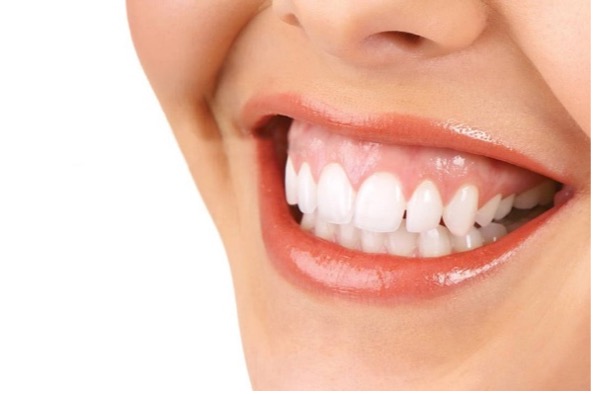
Gummy Smile: A Social and Esthetic Concern

A gummy smile, or excessive gingival display, occurs when more than 2–3 millimeters of gum tissue are visible above the upper front teeth during smiling. While it does not affect oral function, it can significantly impact self-esteem, social interactions, and confidence, as individuals may feel their smile appears unbalanced or less attractive.

The condition affects approximately 10% of the population, with a higher prevalence in women. It often becomes noticeable in young adults, coinciding with important social and professional milestones when appearance plays a meaningful role.

Common etiologic factors include:

  • Altered passive eruption, where teeth are partially covered by excessive gum tissue.

  • Hyperactive upper lip, which elevates excessively during smiling.

  • Vertical maxillary excess, a skeletal discrepancy leading to disproportionate gum display.

  • Gingival hyperplasia, characterized by thickened gum tissue.

Treatment options are tailored according to the underlying cause and may include:

  • Gingivectomy or crown lengthening for excessive gum tissue.

  • Lip repositioning surgery.

  • Botox injections for hyperactive lip elevation.

  • Orthodontic treatment to adjust tooth position.

  • Orthognathic surgery in severe skeletal cases.


Addressing a gummy smile not only improves esthetics but also enhances confidence and social comfort, making early evaluation and personalized treatment essential.

Prof. Dr. Faraedoon M. Zardawi
Dean, Faculty of Dentistry
Qaiwan International University

  • Thu-Feb-2026

The Dangers of Lack of Sleep: Understanding the Effects on Your Health

Sleep is a crucial aspect of our lives that is often overlooked. Getting enough quality sleep is essential for maintaining physical, emotional, and mental health. Unfortunately, many people struggle with getting enough sleep, whether due to work, family obligations, or personal habits.

Lack of sleep can have numerous negative effects on your physical health. It can weaken your immune system, making you more vulnerable to illnesses and infections. Additionally, it can increase your risk of developing chronic conditions such as obesity, diabetes, and cardiovascular disease.

Not getting enough sleep can also take a toll on your mental health. Lack of sleep can increase your risk of depression, anxiety, and other mental health disorders. It can also make it harder to concentrate and affect memory and learning.

Sleep deprivation can also lead to emotional problems. It can cause irritability, mood swings, and even anger. This can impact your relationships with others and cause problems in your personal and professional life.

Moreover, lack of sleep can also affect your performance at work or school. It can make it harder to focus and complete tasks, leading to decreased productivity and performance. Additionally, it can increase the risk of accidents and injuries, especially in jobs that require physical labor or the operation of heavy machinery.

It’s important to recognize the dangers of lack of sleep and take steps to ensure you’re getting enough quality rest. Some tips to help improve sleep include creating a sleep-friendly environment, sticking to a sleep schedule, limiting caffeine and alcohol intake, and engaging in relaxing activities before bed. If you’re struggling with sleep issues, consider seeking help from a qualified medical professional.

In conclusion, sleep is an essential component of our overall health and well-being. Lack of sleep can have numerous negative effects on physical, emotional, and mental health. By prioritizing quality rest, we can improve our health, mood, and overall quality of life.

Shna Sami Amin
Assistant Lecturer, Faculty of Dentistry
Qaiwan International University

  • Thu-Feb-2026

THE CASE OF A POINTED TOOTH

A 20-year-old university student was concerned about her appearance due to the presence of a pointed tooth in her mouth. She visited a dentist for seeking consultation with regards to her concern. She informed the dentist that she noticed a pointed tooth in her upper front tooth region since her childhood. Even though the tooth in question did not cause her any physical harm, she suffered a lack of confidence in social circles and avoided smiling due to the worry of displaying her abnormal tooth in public. She wonders why fate has punished her with such an ugly looking tooth.

The development of tooth also known as ‘Odontogenesis’ is a complex biologic process which begins during the development of embryo in the mother’s womb. This process continues into the childhood resulting in the formation of two sets of teeth in an individual’s life, namely, the ‘milk teeth’ and the ‘permanent teeth’. Additionally, there are complex genetic mechanism which dictates the type of tooth (its shape and size), and its location in the mouth. In this regard, the milk teeth show three types of teeth: the incisors, the canines and the molars; whereas the permanent teeth show 4 types: the incisors, the canines, the premolars and the molars. Any disturbance during the development of tooth or a genetic defect may affect the shape, size and texture of the tooth. Such disturbances are known as ‘developmental anomalies of teeth’. The tooth in the above scenario is a case of an anomaly called the ‘peg lateral’ which results in a pointed tooth in the mouth.

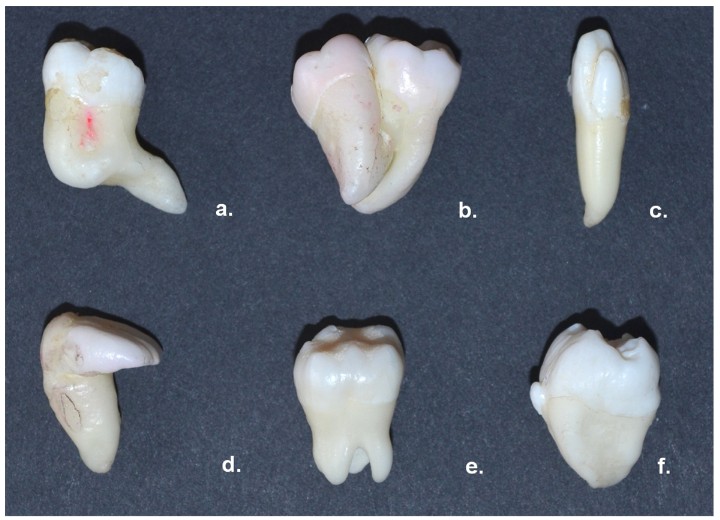
Humans can be affected by a range of developmental anomalies which can affect the shape, size, number, position or the structure of the tooth. Such anomalies as seen in a small number of population and reflect a genetic defect or some disturbance during the developmental stage of the tooth. Such teeth may present with a number of anomalies in shape (see image) and this could have serious consequences in proper maintenance of oral health for an individual. Teeth that are more or less than the normal number of teeth although normal in shape and size might have secondary problems related to the oral hygiene. Moreover, it is important is to recognize the anomalies that affect the structure of the tooth as the teeth in such cases have very poor quality and could result in severe deterioration or total loss from the mouth which in turn could cause serious ramifications for the individual. It is therefore important to be aware of such developmental anomalies and consult a dental specialist at the earliest in order to have a confident smile and a healthy mouth. Both are important for the overall well-being of an individual.

Assistant Professor Dr. Vinay Marla
Faculty of Dentistry
Qaiwan International University


REFERENCES

Shrestha A, Marla V, Shrestha S, Maharjan IK. Developmental anomalies affecting the morphology of teeth – a review”, RSBO. 2016 Mar; 12(1): 68–78.

Balic A. Concise Review: Cellular and Molecular Mechanisms Regulation of Tooth Initiation. Stem Cells. 2019 Jan;37(1):26-32. doi: 10.1002/stem.2917. 

McKinney R, Brizuela M, Olmo H. Developmental Disturbances of the Teeth, Anomalies of Shape and Size. [Updated 2025 Feb 15]. In: StatPearls [Internet]. Treasure Island (FL): StatPearls Publishing; 2025 Jan-. Available from: https://www.ncbi.nlm.nih.gov/books/NBK574555/

Thesleff I. The genetic basis of tooth development and dental defects. Am J Med Genet A. 2006 Dec 1;140(23):2530-5. doi: 10.1002/ajmg.a.31360.


Tucker AS, Sharpe PT. Molecular genetics of tooth morphogenesis and patterning: the right shape in the right place. J Dent Res. 1999 Apr;78(4):826-34. doi: 10.1177/00220345990780040201. 

  • Thu-Feb-2026

Can You Reduce Tooth Pain Naturally After an Extraction?

Tooth extraction pain — especially after wisdom tooth removal — is something many of us remember all too well. The discomfort, swelling, and sensitivity can last for days or even weeks. Healing takes time because the wound often involves not only the gum tissue but also the underlying bone, making recovery more complex.

While dentists focus on preventing infection and managing pain, there is growing interest in natural ways to actively support the healing process.

One promising natural option is flaxseed, a plant widely known as a nutritional superfood. Beyond its general health benefits, flaxseed contains bioactive compounds that may help support tissue repair and reduce inflammation. In my research, I designed a laboratory model that closely mimics oral wound healing after tooth extraction. Using this model, flaxseed extract significantly accelerated cell growth and wound closure compared to untreated cells.

These findings highlight the potential of plant-based compounds to support post-extraction recovery.

Imagine enhancing healing with a natural, plant-derived approach — supporting your body’s own regenerative process while potentially reducing discomfort.

Nature may hold more healing power than we realize.


Dr. Sama Naziyah Shaban
Lecturer, Faculty of Dentistry
Qaiwan International University (QIU)

  • Sun-Feb-2026

Understanding the Realities of Root Canal Treatment Success

While root canal therapy is a cornerstone of modern restorative dentistry, boasting success rates as high as 95%, clinical challenges can occasionally lead to treatment failure.

Root canal treatment is designed to save a natural tooth by removing infection from its internal structure. However, when a tooth does not heal as expected or when pain recurs months or years later, it is often due to a "re-infection" rather than a failure of the procedure itself.


Why Do Root Canals Fail?

Experts identify several key factors that can compromise the longevity of the treatment:

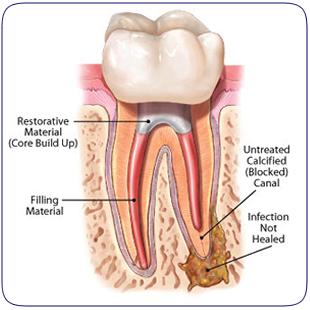
  • Complex Anatomy: The internal structure of a tooth is a web of microscopic canals. If a particularly small or "hidden" canal is missed during the initial cleaning, bacteria can remain trapped and eventually cause a new infection.
  • Restoration Delay: After a root canal, the tooth is often brittle and requires a crown. If the permanent restoration is delayed or if the seal breaks, bacteria from the mouth can leak back into the tooth, a process known as coronal microleakage.
  • Persistent Bacteria: Certain hardy strains of bacteria can occasionally survive the disinfection process, requiring specialized secondary treatments or endodontic surgery.
  • Structural Fractures: In some cases, a tooth may develop a microscopic vertical crack that is undetectable during the initial procedure but allows bacteria to re-enter over time.
 

Patient Indicators for Follow-up

Patients who have undergone root canal therapy should remain vigilant for signs of "post-treatment disease." Early intervention often allows for successful retreatment, saving the tooth from extraction. Key symptoms include:

  1. Return of Sensitivity: Especially from pressure or percussion.
  2. Swelling: Any inflammation in the gums near the treated tooth.
  3. The "Pimple" Effect: The appearance of a small bump on the gum line, indicating a drainage point for underlying infection.

Shelan Shwan Abdulrahman
Assistant Lecturer, Faculty of Dentistry
Qaiwan International University

  • Sun-Feb-2026

The Rise of Direct Composite Veneers in Modern Dentistry

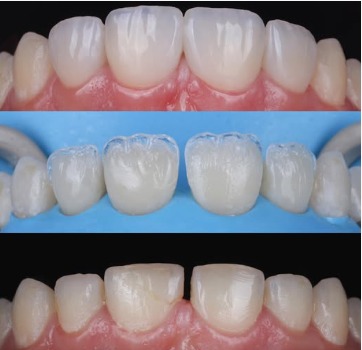
As the demand for aesthetic dentistry reaches an all-time high, dental professionals are increasingly turning to Direct Composite Veneers as a primary solution for patient-centered smile design. This shift marks a significant move toward "conservative esthetics," prioritizing the preservation of natural tooth structure while delivering immediate, high-impact results.

Unlike traditional porcelain veneers, which require laboratory fabrication and multiple appointments, direct veneers allow the clinician to act as both doctor and artist, sculpting the restoration chairside in a single session.


The Art of the Single Appointment

The "Direct" method utilizes advanced light-cured composite resin materials that have seen massive technological leaps in recent years. Today’s composites offer superior polishability and a range of opacities that allow dentists to mimic the natural translucency of human enamel.

Key Clinical Benefits Include:

  • Minimal Intervention: Most direct veneer cases require little to no removal of the healthy tooth surface, making the procedure often reversible.
  • Instant Gratification: Patients walk out with a transformed smile in a single visit, avoiding the need for temporary restorations.
  • Cost-Effectiveness: By eliminating laboratory fees, direct veneers provide a high-end aesthetic result at a more accessible price point for a wider demographic of patients.
  • Repairability: If a chip occurs, composite material can be added and blended seamlessly in minutes, which is impossible with fractured porcelain.
 

Ideal Candidates for Direct Veneers

While porcelain remains the gold standard for certain heavy-wear cases, direct veneers are the preferred indication for:

  1. Closing Midline Diastemas: Filling gaps between front teeth for a more uniform appearance.
  2. Masking Tetracycline Staining: Covering deep internal discolorations that whitening cannot reach.
  3. Correcting Minor Malalignments: Providing a "straight" appearance for slightly rotated teeth.
  4. Restoring Incisal Chips: Rebuilding the edges of teeth worn down by age or minor trauma.Zanwer Azad Abdul
    Assistant Lecturer, Faculty of Dentistry
    Qaiwan International University 

  • Sun-Feb-2026

Are dental implants always the best option for every patient?

Dental implants are widely regarded as the gold standard for replacing missing teeth. They are strong, durable, and capable of restoring both function and aesthetics very effectively. Because of their high success rates and long-term outcomes, implants are often perceived as the best solution in all situations. However, an important clinical question must be asked: are dental implants always the best option for every patient?

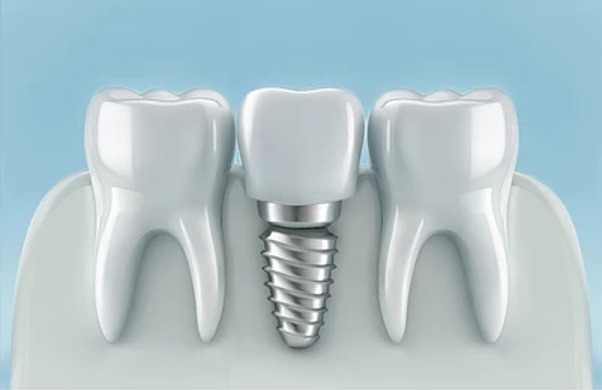
A dental implant is a titanium fixture surgically placed into the jawbone to replace the root of a missing tooth. After a healing period, during which the implant integrates with the surrounding bone, it can support a crown, bridge, or denture. One of the major advantages of implants is their ability to preserve bone and avoid preparation of adjacent teeth. When placed under proper conditions, implants can provide excellent stability, chewing efficiency, and patient satisfaction.

Despite these advantages, dental implants are not suitable for all patients. General health plays a critical role in implant success. Conditions such as uncontrolled diabetes, severe osteoporosis, immunosuppressive disorders, or a history of radiotherapy to the head and neck region may impair healing and increase the risk of implant failure. In such cases, alternative treatment options may be safer and more predictable.

Adequate bone quantity and quality are essential for implant stability. Patients who have experienced long-standing tooth loss, periodontal disease, or trauma may suffer from significant bone resorption. While bone grafting procedures can sometimes overcome this limitation, they increase treatment complexity, cost, and duration, and may not be acceptable or suitable for every patient.

Oral hygiene and patient compliance are equally important considerations. Dental implants are vulnerable to peri-implant diseases if plaque control is inadequate. Patients with poor oral hygiene, active periodontal disease, or high caries risk may face complications if these issues are not addressed before implant placement. Long-term success depends heavily on maintenance and regular follow-up care.

Financial and time factors also influence treatment decisions. Implant therapy often requires multiple visits and several months to complete, and the cost may be higher compared to other prosthetic options. For some patients, especially those seeking quicker or more economical solutions, alternative treatments may provide satisfactory outcomes with fewer demands.

In younger patients, dental implants are usually delayed until jaw growth is complete. Placing implants too early can result in functional and aesthetic problems as the surrounding bone continues to develop, leading to infra-occlusion and disharmony with adjacent teeth.

Depending on the clinical situation, other treatment options such as fixed partial dentures, removable partial dentures, or complete dentures may be more appropriate. Fixed bridges can be a good choice when adjacent teeth already require restorations. Removable partial dentures remain a valuable option in cases of multiple missing teeth and offer a conservative and cost-effective solution. Complete dentures, whether conventional or implant-supported, continue to play an important role in the management of fully edentulous patients.

The key principle in modern dentistry is individualized treatment planning. The most advanced treatment is not always the most suitable one. Proper diagnosis, evaluation of systemic and oral conditions, consideration of patient expectations, and evidence-based decision making are essential for achieving successful and sustainable outcomes.

In conclusion, dental implants are an excellent treatment option when indicated, but they are not always the best choice for every patient. The true measure of success in dentistry lies not in the procedure itself, but in how well it meets the patient’s needs, preserves oral health, and improves quality of life over the long term.


Hazha Kamil
Assistant Lecturer, Faculty of Dentistry
Qaiwan International University